Here’s a much-improved and clearer version of your post that keeps your original thoughts but presents them in a more polished and impactful way:
Feeling Lost in the Age of AI? Here’s What I’m Learning.
I’ll be honest — I feel lost too. It seems like AI is coming to eat our jobs, and the future feels uncertain.
But here’s a thought that hit me hard: “The way out of uncertainty isn’t certainty — it’s clarity.”
We often seek guarantees, but life doesn’t offer them. And that’s the beauty of it — uncertainty keeps us evolving.
So what’s the solution? Clarity and preparation. Clarity about what we want to do next. Preparation to adapt and learn new skills.
Generative AI feels like a threat right now — and yes, it’s changing everything fast. But that’s also an opportunity.
Think about it: Over the past 25 years, software development has gone through massive growth. In Pakistan, we saw significant recognition in tech around 1999 and again in 2020. Now, we’re entering the next wave — and this time, AI is at the center.
Generative AI and Agentic AI are changing the game. So what should we do?
We need clarity.
Understand what work truly matters to you.
Learn what tools can amplify your skills.
Master those tools.
And most importantly — don’t be afraid to start over.
It’s time to get out of the rut and gear up.
Let’s stop fearing the change and start riding the wave.
I often shop from online retail stores and usually pay using my credit card—so payment is made in advance. But last week, something unusual and frustrating happened.
I ordered an acrobatic stepper, planning to start a new workout routine as soon as it arrived. Unfortunately, the delivery got delayed. When I contacted customer support, they blamed the delay on heavy rains. I waited patiently, but when the package finally arrived, it was shocking—it was empty. Inside the box were just broken bricks.
The delivery box had a contact number. I messaged the seller directly and also through the platform’s chat system. The seller replied, claiming it was a mistake and that they had accidentally sent the wrong package. He said, “Keep it—we’re sorting it out and will send the correct item in a few days.”
But this was his personal commitment—outside the online platform. That’s when my trust started to fade.
Now I was stuck in a dilemma: Should I wait for the replacement, or should I raise a complaint through the official website?
I thought about it logically:
The order was already late.
If the seller had no stock, why didn’t he cancel the order or inform me officially?
The platform allows order modifications and communication—why didn’t the seller use them?
Most importantly, if he couldn’t fulfill a commitment on the platform, how could I trust his personal promise?
This had never happened to me before.
What surprised me even more was that the seller began requesting I remove my negative review. It felt ironic—he had no problem sending an empty box, but now he was worried about his public reputation?
Why do people have such double standards? When they cheat, it’s “cleverness.” But when someone speaks up, it’s considered “bad behavior.”
Still, I posted an honest review: “I received an empty package with bricks.”
Shortly after, I received a call from the seller, pressuring me again to delete my review. Meanwhile, I had already filed a return request through the platform and sent the package back. I’m now waiting for a refund.
This incident shook my trust in online shopping. I started asking myself:
Should I continue trusting online retailers?
Should I switch to “Cash on Delivery” instead of paying in advance?
Should sellers like this be given a second chance—risking that they might cheat others too?
Was leaving an honest review the right thing to do—or was I being too harsh?
In the end, this was the first time something like this happened to me. I’ve decided to give the online platform one more chance—especially since the refund process is underway.
But the seller? No, I don’t trust him. It felt like he was stalling until the return window expired, so I’d lose my right to complain. If I hadn’t acted quickly, even the platform might have doubted me.
Some people say writing a negative review is “aggressive.” But is it? I didn’t exaggerate or lie. I simply shared the truth.
I was reading a quote recently that made me reflect deeply on my life. It said, “The quality of our life depends on the quality of questions we ask ourselves.” This quote is often attributed to Tony Robbins, and its meaning is both simple and powerful: when we start seeking answers, we invite change into our lives—and when we ask the right questions, that change becomes meaningful and transformative.
Think about it—whenever you face a negative situation, the way you respond begins with the kind of question you ask yourself. If your first thought is, “Why does this always happen to me?”, you’re asking a reactive question that may lead to some answers, but not the kind that move you forward. These types of questions are common and natural, but they rarely lead to growth. On the other hand, empowering questions can shift your mindset and open doors. You might instead ask: What can I learn from this situation? How can I respond differently next time to get a better result? What small change can I make so this doesn’t happen again?
One of the most profound questions I’ve come across comes from Meditations by Marcus Aurelius. He writes, “Ask yourself at every moment, ‘Is this necessary?’” It’s a simple practice of mindfulness that invites clarity and intention into your actions.
That led me to wonder—what if we asked better questions in every area of life? What if we were intentional not just during tough times, but in our approach to health, learning, relationships, careers, and finances?
The first step is always to assess your current situation. Without a clear understanding of where you are, it’s hard to move in the right direction. For example, in your financial life, you might start by asking: What are my current savings? What debts do I have? What are my spending habits each month? If you can’t answer these clearly, spend at least one month tracking your money. Clarity comes through awareness.
Once you have a clear picture, begin asking deeper, quality questions that can lead to change. Questions like: What are my biggest unnecessary expenses? What percentage of my income am I saving? Am I consistently spending more than I earn? What emotional triggers lead me to spend? And perhaps most importantly—are my financial habits aligned with the life I truly want?
This principle applies across all areas. But it all begins with this: the quality of your thoughts. When your thoughts are mindful, intentional, and rooted in the present, you elevate the quality of your entire life.
So take a pause. Look at your life. And start asking better questions.
Meet Alex. He’s ambitious, works hard, but feels stuck. He sees others succeeding and wonders Why not me?
But here’s the truth… everyone struggles with self-doubt. Even the most successful people felt lost at some point.
Lesson 1: No one has all the answers. Just start!
Alex, hard work isn’t enough, Sarah says. Opportunities don’t just happen—you have to create them.
Alex realizes that waiting for luck is useless. He has to take action.
Lesson 2: Stop waiting. Take action.
He panics I have never done this before! But instead of saying no, he remembers… Say yes. Figure it out later.
Draw Alex researching, learning, struggling, then presenting a successful project.
Lesson 3: Growth comes from discomfort.
He starts building his personal brand—writing articles, making connections, and sharing his work.
Lesson 4: You are your own brand. Invest in it.
He understands that talent isn’t everything. Relationships matter.
Lesson 5: Success isn’t just skill—it’s how you treat people.
For weeks, he feels like a failure. But then he realizes… failure is just feedback.
Lesson 6: The most successful people are the ones who never quit.
He starts questioning What am I really working for?
Lesson 7: Set boundaries. Your life matters too.
He realizes the truth… mindset is everything.
Final Key Takeaways: Stop overthinking. Just start. Build your own opportunities. Treat people well. Never stop learning. Take risks, embrace failure, and keep moving.
Call to Action: If this story inspired you, like, subscribe, and share** this video. Your journey starts NOW!
Yesterday, I was in the company of friends. One of my friends shared an idea about setting up a food stall at the corner of the local market. We told him it was risky. Then, another friend mentioned his plan to change careers. He had already found an opportunity, but we told him it was too risky. Later, another friend shared his weekend plan to visit a hill station. We warned him that it’s risky these days. Late at night, as I was coming home from work, I thought about visiting the local park for a walk. But my mind reminded me: “It’s midnight—it’s risky.” The next day, my son told me he wanted to start riding a bike. His mother immediately said, “You’re too young—it’s risky.” Another friend confided in us about his dream to visit the mountains and climb the highest peak in our country. I told him, “That’s too risky.” Even one of the young kids I know opened up about his crush, wondering if he should talk to her. He hesitated, thinking, it’s risky. That evening, I reflected on all these moments. “What is risky?” I asked myself. Everything seems risky. Our minds often focus on the dangers, the failures, the rejections, or the losses. But what if we thought differently?
What if we succeeded? What if the food stall became a thriving business? What if a career change brought growth and fulfillment? What if visiting the hill station brought peace and adventure? What if climbing that mountain brought happiness, joy, and a sense of accomplishment? Of course, there’s always risk. But isn’t not taking the risk an even bigger one?
“I don’t know what to do with my life.” I asked myself the same question. At that time, I had no aims—no goals in life. If you are facing this question, then this short video is for you. Consider this another opportunity, not a problem. The earlier we get an answer to this question, the more successful we become in our lives. If you still do not answer this question, then consider it. The first step is to take responsibility. It’s your life. You need to take responsibility for your actions. If you did not take responsibility. Nothing happens. Life remains unchanged, and you will remain unchanged as a consequence. Second step is to Know yourself. Almost everyone knows something about themself. Pose the question, “Why did you do anything?” Examine your actions and the reasons behind them. What you like and what is reason behind the things you dislike. An amazing dialogue sprang to mind. Dil me heer liye aur heer khoje veerane me. This step lets you understand what your values are.
Third step to Set some goals. This step helps you understand what you want and what you can achieve. After setting goals, start working to achieve. Make some plan, what you need to change in your life style. What new habits you need to develop to achieve those goals. If possible break these goals to manageable small step and focus on these steps and start do small and short achievements.
Fourth step to Stop comparing yourself. Everyone has a different journey. Some understand what they want earlier and start their journey much earlier. You never reach their level but you can become better in longer run. If you start today, then with in 5 years you are much in better position.
There is one bouns but optional step. That is about reflection. Start writing journal. And at the end of day. reflect on everything that happen. What you can do little different to achieve different results. Revise it and review it.
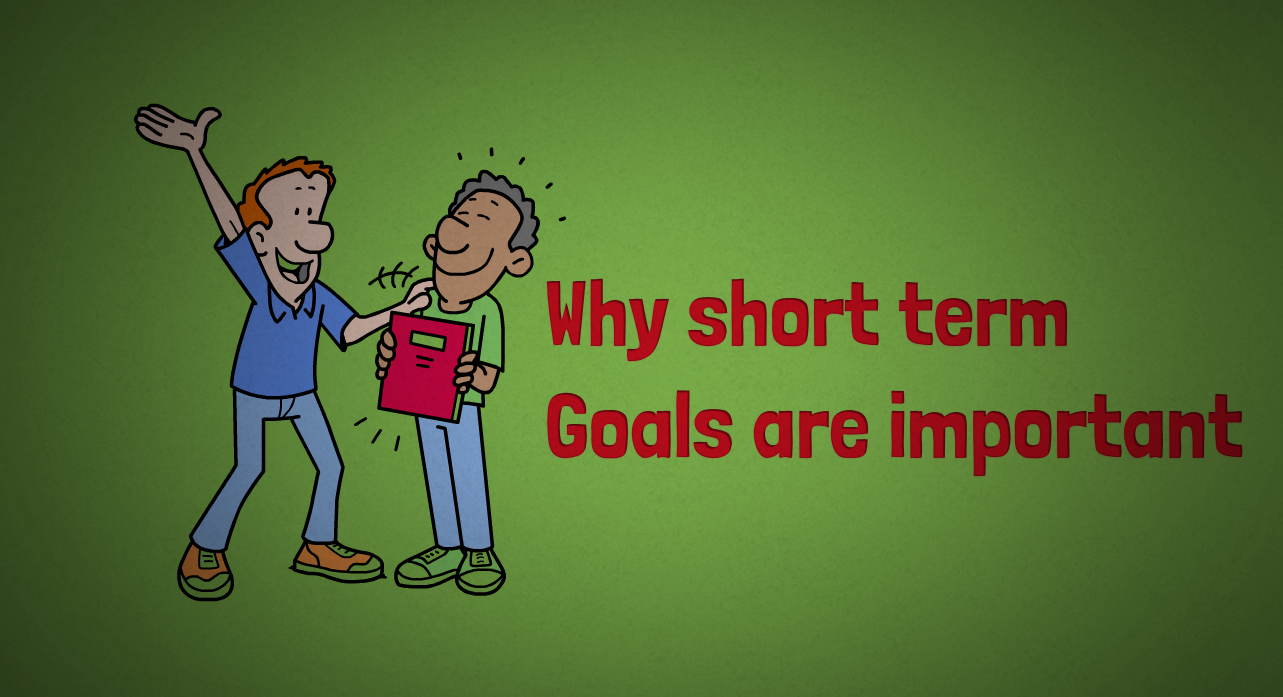
Goal-setting is essential in life. Those who achieve success in life often have specific goals in mind. Some have written goals; others keep them in mind. The law of attraction, or manifestation, only works when you have goals. The only difference between a wish list and goals is the deadline. Until we begin working towards achieving them, goals remain merely wishlists.
Why is goal-setting important?
Know what you want and set future goals to be happier and more successful. Goals help us sense where we are going and focus on the objectives we want to achieve. In times of adversity, it gives us motivation and keeps us inspired. Goals are also helpful in assessing our progress. Goals help us become more accountable, and we can improve our accountability in work and professional life. Direction and Focus: We reach some places, but we do not have clear goals. But there are problems. But on the other hand, there are also problems. Sometimes we set unrealistic goals. We spent too much time just thinking and planning. When you start putting in effort and results are not coming, instead of adjusting our sail, we start to be frustrated. My personal experience has shown that our long-term goals often lead to problems. It’s very unclear what the situation will be after 10 to 15 years. The human mind can perceive a situation for a maximum of three months, which allows us to understand our current circumstances from a vantage point. Our vision cannot go beyond 3 months.
Recently, I read a few quotes that all had a similar message. Lord Chesterfield said,
“Take care of your minutes, and the hours will take care of themselves.”
Lord Chesterfield advised focusing on the tasks you need to complete at the moment to reach your goals. Leave the hours to consider how you want to plan out your life. Then, in the near past, Ramana Maharshi, an Indian guru, had two similar quotes.
The first one is “Engage yourself in the living present. The future will take care of itself.”
“Why should you concern yourself with the future?” You don’t have a comprehensive understanding of the present. Take care of the present; the future will take care of itself. “
These three quotes mentioned only one thing: just focus on the present moment. To focus on the present moment means to concentrate on short-term goals. Why is it important to have short-term goals? The secret to success is to set short-term goals. Short-term goals are visible and easily achievable. And more importantly, you can verify what you achieve.
In Dale Carnegie’s How to Start Living and Stop Worrying, I read a quote from Thomas Carlyle.
“Our main business is not to see what lies dimly at a distance, but to do what lies clearly ahead.”
Long-term goals are just vision. They hide in mist and dust. We cannot see far from now. If you still have long-term goals,. Then just write down these goals. Just set short-term goals. Align these short-term goals with your long-term objectives and concentrate on them. I hope you like this video. If you have goals, then you certainly have a happy life. Your future is bright. If you don’t have goals, drift along. Just start sitting down. Write down what you want and start from where you are. Life will not change until you do not start acting.
It was stated that 2000 years ago, there was a king named “Marcus Aurelius.” Despite his immense power, Marcus Aurelius did not behave like other Roman emperors. He left behind his personal dairy. He never intended to publish it, but later in 1558, under the title “Meditation,” it emerged as one of the most fundamental pieces of stoic literature in existence. Medication is a collection of 12 books that chronicle Marcus Aurelius’ perspective on the world and his personal struggles, as detailed in his memoirs.
Indifference
Stoics have perfect indifference. This implies that I am disinterested in things that hold no significance.
The simple meaning of indifference is to not focus on things that are beyond our control. Indifference means to only focus on those things where you can make an impact. Work on it and make a difference.
The Stoics posited that, from a human perspective, there are two types of situations. There are situations over which we have control. Secondly, there are certain aspects of life that we cannot influence.
The second-most important Stoic philosopher, Epictetus, mentioned in his work “Enchiridion” that most things are beyond our control.
Epictectus defines exterior and interior factors. Exterior factors like friends, colleagues, family members, the economy, and politicians. The way our bodies decay with age is an external thing.
We can influence external factors, but our influence is limited.
According to Epictus, the interior things are our thoughts, our behavior in this situation, our point of view, and our stand against the world around us. Epictus said we should only worry about things in our control.
According to Epictectus, the Clam mind can think and decide rationally, helping us make better choices in our lives.
Basic Values
Stoicism believes in nature. Nature is considered to be whole. Like organized religion, there are no written, hard-and-fast rules.
Stoicism holds that life must be lived in accordance with nature. We have to act to benefit the whole of nature. Not against nature.
Negative Visualization. praemeditatio malorum,
Negative visualization is a useful technique to prepare well and set low expectations. Like Marcus Aurelius, we often have to meet people for various reasons, which can be a challenging experience. By starting the day with a negative visualization, we need to prepare ourselves for these conditions.
We must remind ourselves every morning. Despite all challenges, interference, unacceptable behavior, ill-will, and selfishness, I will achieve my goals.
I will be able to deal with all these negative comments. This will help us to think about the possible challenges we face and how we can achieve the things we want. Consider the worst-case scenarios as a means of preparing yourself for potential challenges.
Memento Mori
A Stoic often reminds himself that life is temporary, known as memento mori (remember that you will die).
So we have to focus on things that are important to us. At the same time, we must remember that everything, including defeat and betrayal, is temporary. Life is temporary, so we did not take things seriously.
The view from above
“The view from above” is another exercise that helps us see ourselves from a cosmic perspective, helping us realize how small and insignificant we are in comparison to the vastness of the universe.
This idea helps us view things from other people’s points of view. Mentally step back and imagine yourself from an outside perspective. This helps us gain a broader view of the situation.
Pause and reflect.
In life, many unexpected events happen, and most of the time, we react to them as they happen. Stoic practice involves taking a moment to pause, reflect, and then respond. This can help you deal with emotional outbursts and respond more thoughtfully.
Hello friends! I hope you like this video. In this video, I share with you the basic idea of stoicism. Indifference is power; life is short; always focus on things that are significant and important. In our current age, stoicism is a valuable instrument that gives us guidance to stay focused and don’t get down in a sea of distraction. Thank you for watching.