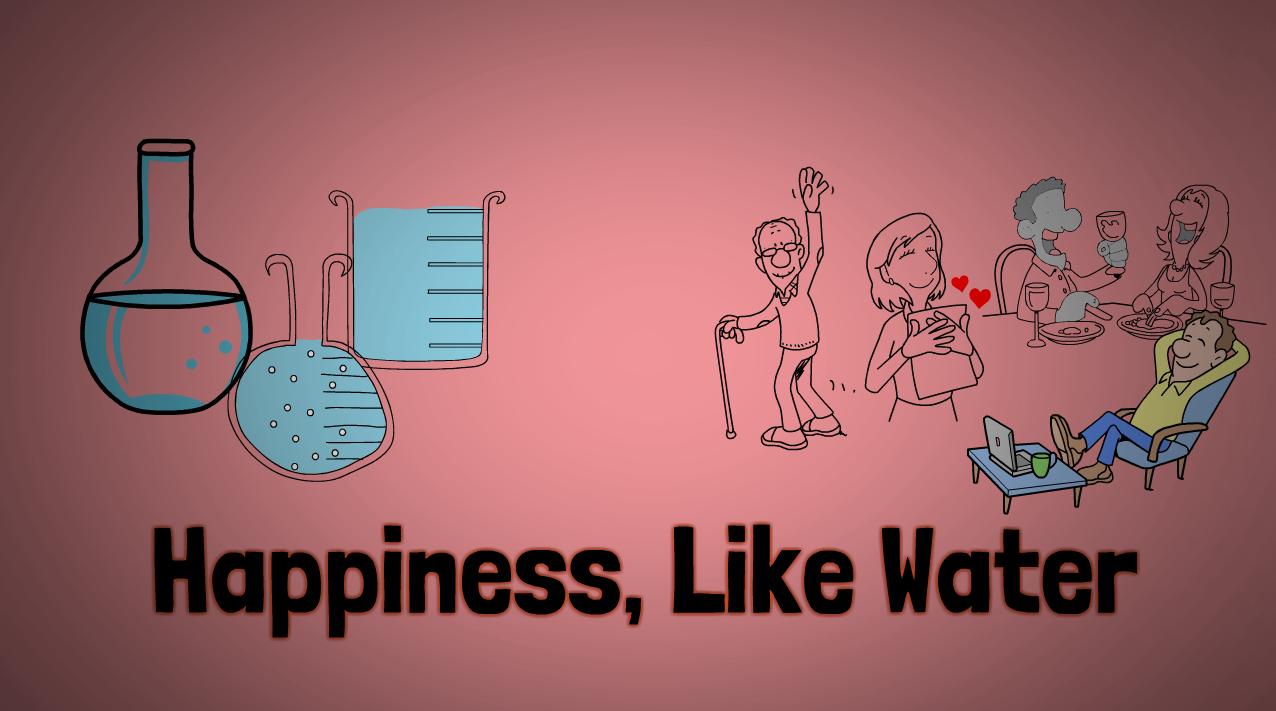
Why Happiness is Like Water

I believe that happiness is a state of mind. When we are happy, certain harmonics release in our minds, leading to a sense of pleasure. and what is meant by “happiness like water.”.

This means that water can fit into any type of pot. Then you can be content and joyful in any situation. Let’s discuss. Once, I was asking myself whether happiness comes from outside our environment, an external factor, or is born inside us. Is it within or beyond our control? Once upon a time, I believed that couples and lovebirds held the key to happiness. However, I discovered that many once-loved and ideal couples do not experience true happiness. I was thinking that achieving something makes you happy. Then I saw a lot of high achievers with successful lives who were unhappy and disappointed. I found that competition makes us happy. When we demonstrate our superiority over others, we feel joy, happiness, and pride. We feel joy and happiness, as well as pride. The other person’s defeat makes us pleased and full of joy. This can also lead to feelings of depression and anxiety. On the other hand, I realized that the person with whom I compete is happier than me because he accepted his life and found meaning in it. Similarly, people who live in large houses, own expensive clothes, and drive expensive cars are not necessarily happy. Conversely, those who are less privileged tend to be happier than their counterparts. Even I saw a homeless person with torn clothes enjoying his life. So what’s wrong with happiness? Achievers, winners, and wealthy people are also unhappy. Even those who have nothing in their lives find happiness and contentment. I began to understand that it was merely a state of consciousness. It is up to us to make life by thinking and acting. Then there is the story of Gautama Buddha: who lived a happy and peaceful life. When he saw misery, death, and old age, he tried to find solutions to world problems. But after deep meditation, he found only one solution. Detachment. Suffering comes from attachment. The way to be happy is through detachment. Make your wishes less. Accept life as it is. Think about what happened. That is for good. Buddha said “There is no path to happiness; happiness is the path. “Happiness comes when your work and words are of benefit to yourself and others.”

https://www.youtube.com/watch?v=GH7cxp8HCvM

“Thousands of candles can be lit from a single candle, and the life of the candle will not be shortened. Happiness never decreases by being shared.” Buddhist ways of achieving happiness are compassion and mindfulness. Midfulness means keeping your mind busy with things and thoughts. Focus on what’s happening in the present moment.Compassion: Keep busy and help others reduce their misery and problems. Let’s explore more about what Stoics said about happiness and how to attain it. Seneca said that “True happiness is to enjoy the present without anxious dependence upon the future.”

Epictetus said that    “Happiness and freedom begin with a clear understanding of one principle: Some things are within our control, and some things are not.” Similarly Marcus Aurelius said that “Very little is needed to make a happy life; it is all within yourself, in your way of thinking.” According to Stoic philosophy, happiness comes from only focusing on things that we can control. Let go of things that are beyond our control. Just focus on your actions, thoughts, and reactions. The second method involves dedicating yourself to a high purpose or higher virtue and maintaining a busy schedule to attain it.  The third option is to be mindful. Mindfulness means just living in the present moment. Enjoy the present moment. Stoics believe that thinking about the future and past hurts our happiness. What I now understand is that happiness originates within us. Regardless of the situation, it’s up to us to stay happy, depressed, or worried. Accept life as it is. Stay in the present moment by simply making conscious efforts to observe what’s going on and stay busy. In conclusion, happiness is like water. Just as water settles in any pot, so too does happiness. Similar to water, happiness can settle in any situation. It’s up to us how we maintain our happiness.See you in another video.
Keep this in your mind when your son become teenage.

  • “Your worst enemy cannot harm you as much as your own unguarded thoughts.” -Gautam Buddha
  • The same is true when we see our own child failing to follow the right path and following his own will.
  • We have to guard our thoughts about what we want. Once I organized my thoughts and realized this,
  • My son is like my younger self.
  • And I want to tell myself what mistakes I made. What should I do if I get a chance to go back to my teens?
  • But the issues are the same. My son is not me. He did not listen 100 percent. Some times he follows my instructions, but other times he follows his own will.
  • He thinks of life as it is. But it will not be the same. Time will change. And he have to take his responsiblity of life.
  • When I was a student in school, I often asked myself, “Why do I need to come first in my class?” When I just passed the exam.
  • But now I realize that I performed better when I was a child. Now I am performing excellently.
  • I never understood how laborious my father was. How long did he work hard in the office to bring his salary home?
  • He did not understand it in the same way as I was once doing.
  • So I decided to let him live his life. He is different from me. He has different skill sets. His interests are different.
  • Many times, we overprotect our children.
  • This overprotaction did not let them grow.
  • There is a saying that when your son’s height equals yours, make him your friend.
  • We have to let them make their own decisions.
  • In the 21st century, we can only influence our children; we cannot instruct them.
  • We have to accept this fact. We are responsible for ourselves. Not for them.
  • Just influence and guide them; do not expect too much from them.
  • Now they are open to understanding what is right and what is wrong.
  • Be hopeful, but do not expect too much.
  • Let’s be hopeful. He will be a good person. He will excel in his career. He will take responsibility for his life soon.

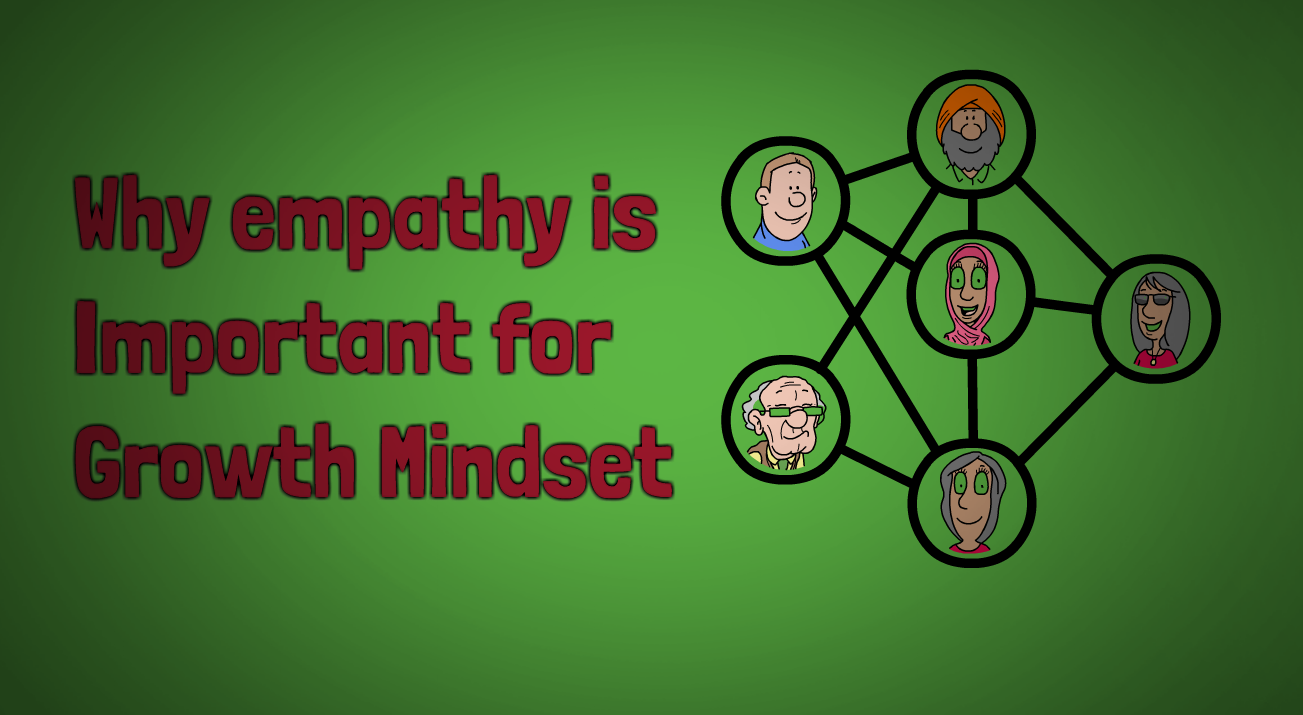
Empathy for growth mindset

Hello and welcome to our channel. Today we are going to discuss empathy. what empathy is, why it is important for a growth mindset. How can we cultivate a mindset of empathy? If you want to know all this watch this video till the end.

Lets discus what empathy is:

Empathy is the ability to understand what another person wants and thinks about the situation. It involves putting yourself in another person’s shoes. I Every person has their own feelings, thoughts, and beliefs. Their circumstances shape these beliefs and thoughts. Empathy is the ability to understand another person’s nature and point of view in order to act, behave, and deal with them. As individuals with growth mindsets, we must comprehend this and act accordingly. If you are a leader, either leading a family or team in the office, you must understand others. Empathy is crucial for building relationships with others. Lets discuss why it is import:

The most important part of having a growth mindset is the ability to work with others. Without empathy, we cannot lead others or coordinate with others.

Number one Learning from others:

Every person has something good inside. Every person has unique experiences. We can only learn from them if we have a good relationship with them. We understand them. Only then will we be able to coordinate with them.

  Number two Resilience:

Resilience is the ability to bounce back from failure or adversity. Every person has their own challenges in life. We don’t know what others are facing. It is empathy that enables us to understand that others are also facing challenges. Empathy helps us to become resilient; during our tough times, we can observe how others are resisting their failures and adversities. They never give up; why are we giving up? 

Number three Collaboration:

Collaboration means working together to achieve a common goal. Until we practice empathy, we do not collaborate with others. Collaboration means we share knowledge, ideas, resources, and responsibilities. The most important thing in a collaboration is communication. We cannot communicate effectively until we are able to see another person’s point of view. Number Four Adaptability:

Empathy helps us build the ability to adopt. Depending on the situation, we understand others and adapt to change. Adaptability is a give-and-take. What does another person want? How much space can we give him to achieve a common goal? Until we adopt, we cannot succeed.

Lets discuss how we can built empathy mindset:

Empathy, for a growth mindset, is a foundational trait. Until we are able to understand others’ needs, wants, and feelings, we cannot grow. We didn’t collaborate with them. We can move forward until we have common goals. We cannot adapt according to the situation. Now the question is how to develop an empathy mindset. Here are a few important tips:

Tip number one Listen actively:.

When we speak, we only share what we know. But when we listen, it increases our knowledge and experience. Listening is only one way to understand what others think. It helps us understand what other people have to say, as well as what they like or dislike.

Tip number two put yourself in another person’s shoes.

Before speaking to another person, put yourself in their shoes. Imagine his response, his thought process, and the type of question he might ask. What are the possible benefits and disadvantages of the point you are going to convey . The ability to think while standing in another person shoes helps us to built empathy and lead others That requires practice, not precise action. But as time passes, you become an expert in this domain.

Tip number three Ask Questions:

There are closed-ended and open-ended questions. A closed-ended question means they have only two answers. Yes or no. And open-ended questions have long answers. Detailed and sometimes long answers.  When interacting with anyone, ask open-ended questions. That helps you understand others.

  Tip number three Be Curious:

Curiosity is the one thing that helps you get to know others. Be curious about others. What movies do they watch? What dresses do they like? What types of activities are they interested in? What type of experience do others have? If you want to meet others and have relationships with them, you must be curious about them.

Tip number four Reflect on your interactions:

One of the best ways to improve yourself is through reflection. So start reflecting on every Tip on interaction with others. In the evening, sit down and write down all interactions with others. Note down what others speak about. What other people are concerned about. That reflection helps you understand others. Later, you will be able to see things from other people’s points of view.

Tip number five Seek Diversity.

Many times, when we interact with others, we find that they are different from us. It’s human nature that we like those people who have similar interests and points of view. But life is full of diversity . We have to accept others; we accept their point of view. We accept that they think and act differently. We can only influence others when we accept them. Hope friends. You like this video. In closing notes, empathy is a critical skill for a growth-minded person.

Until we are able to see things from another person’s point of view, we cannot influence them to act and work with us toward a common goal. Empathy is a mindset, and that can be learned with simple steps. Try to listen to others; be curious about them. Listen to them. understand them. Later, you’ll be able to influence them.

The only communication tip ever required.

Many times in life, when we have fewer friends, we tend to speak to everyone who comes to meet us or interact with us. We start to speak on any topic we want to share, and as a result, our impression of important people is not good. If we do not communicate effectively, they consider us to not be people. I have done this many times. This continued until I understood the significance of intention. I first listened to this topic in the Opera Winfield video. According to her, intention is a cause that creates an effect. We cannot avoid the effects until we focus on the causes. And intention is the cause. If we understand this point and act accordingly, we can create a positive impact on others.

Now come back to the topic of communication. We communicate every time, even in those moments when we are busy at work. Or sitting silently. Only speak with intention. Otherwise, just listen.  Speak with intention, which means understanding what you say will have an impact on your listener. another person. In the working environment, your boss or colleague understands that you are You can identify yourself as a domain expert, subject matter expert, or generalist. Or after listening to your Or you are creating an impact by sharing the stories of being a nice and happy person. Here are some tips for speaking with intention: Tip No. 1: Define what type of impact you want to convey. For example, in the office, you want to create the impression that you are a subject matter expert. You did not want the impression that you were good communicators. Or you are an expert in certain religious points of view. When you are sitting with friends, then again, you have to speak with intention. Either way, you are helping others solve their personal problems. Or you give another guy a listen-eye.  Tip 2. What message do you want to convey?  Define the message clearly. As per your experience, what is a decision already talked about, and what will be its impact? For example, the assigned task is complete, and you want to share this message with your boss to show him how much effort you put into completing it. Define your message clearly. For example What is the solution to the problem that your boss or colleague is searching for? What types of challenges arise if we implement certain solutions?  Define the message clearly. As per your experience, what is a decision already talked about, and what will be its impact?  Always begin with the end in mind. Tip 3: Define the context. People did not understand your point or message. Until they have a clear context, people are busy; they are not present mentally. They have to complete their own tasks. They did not understand your complete message until you provided context. Tip 4: Define the transition points. When discussing multiple points, you focus on the transition points. This allows you to effortlessly transition from one point to the next.   You have to consider these points before going to meet your boss or friend. It seems that these points are lengthy and complex, but with practice, you can perform them in a few minutes or in a few seconds. Hi friends, I hope you like this video. On closing notes, there are two points: speak only when it is required. And speak with intention. Intention means What type of impact do you want to create on others? Please subscribe to my YouTube channel. See you in another video.

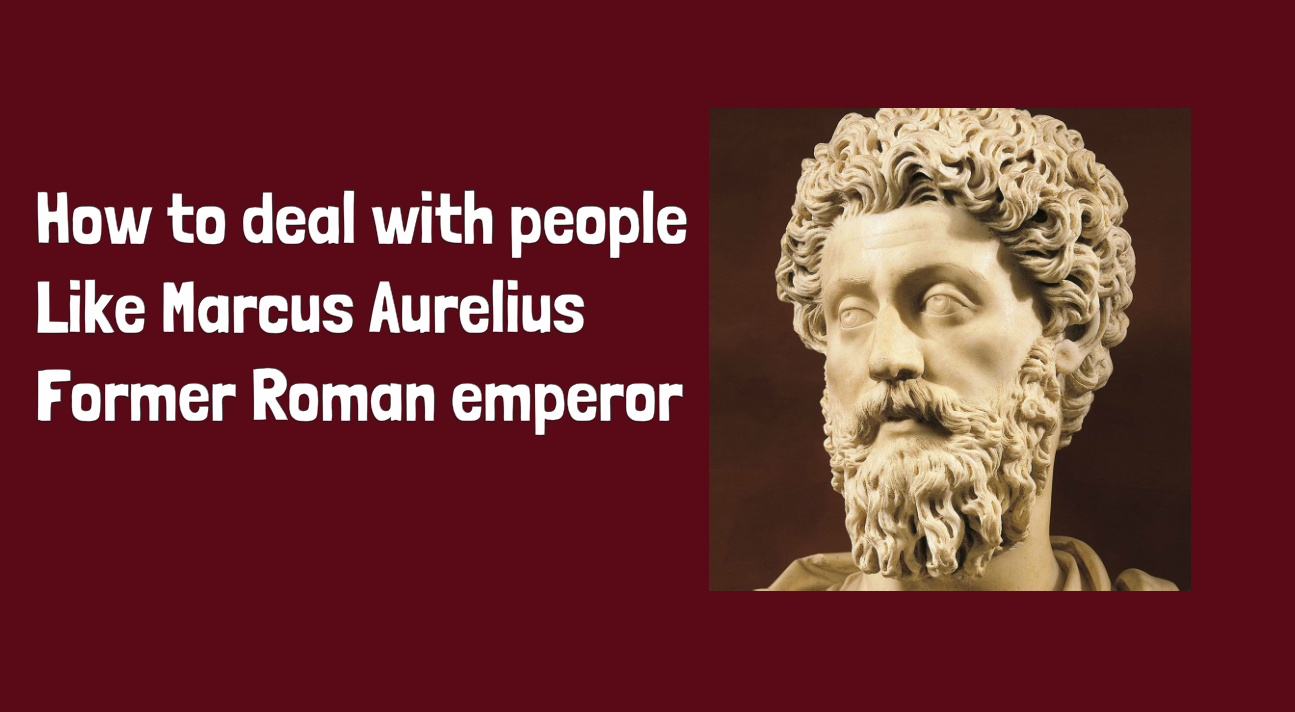
How to deal with people like a king Marcus Aurelius

I was reading the second book of Mediation By Marcus Aurelius

  1. When you wake up in the morning, tell yourself: The people I deal with today will be meddling, ungrateful, arrogant, dishonest, jealous, and surly. They are like this because they can’t tell good from evil. But I have seen the beauty of good, and the ugliness of evil, and have recognized that the wrongdoer has a nature related to my own—not of the same blood or birth, but the same mind, and possessing a share of the divine. And so none of them can hurt me. No one can implicate me in ugliness. Nor can I feel angry at my relative, or hate him. We were born to work together like feet, hands, and eyes, like the two rows of teeth, upper and lower. To obstruct each other is unnatural. To feel anger at someone, to turn your back on him: these are obstructions.

It’s very strange for me that the first annotation talks about acceptance and cooperation with each other. Marcus Aurelius said to accept every human being as they are. Sometimes we wonder why that happens to us or why others behave strangly. Later, I discovered that people were with us until we had common goals. When they achieved their shared interest, they changed. They betrayed.

Jealousy is a natural phenomenon. People can be jealous of us without any reason. Same rule apply to us, we are also jealous a few people.

In life, people motivate us to achieve something; under the hood, they are going to achieve their own goals. And when they achieved those goals, they betrayed us.

People behave badly with us. They are arrogant; they do it intensely to get attention; they know we reflect back on them; or they like the pain or misery on our faces. However, it’s possible that their actions are a result of their circumstances. But the question is: why do we expect good behavior from them? They are busy in their own world. We seek outside approval only when we are not satisfied with ourselves. Therefore, seek approval from within.

Marcus Aurelius says that all these people have the same mind as we do, and everything I see or feel is related to us.

Ancient people believed that all people shared the same spite and that all people connected with each other in some way. Marcus Aurelius talks about other people who are not our blood relatives but who have very similar minds, bodies, and spirits. If we see something evil in others, we should first find it in ourselves and correct it rather than criticizing.

Most of the time, the situation is not a problem, but the reaction to it creates a problem. It’s our thoughts. Understanding this prevents them from hurting us, the situation, and other people’s behavior. In simple Urdu, “asa hee hayee, churo isya.” “Accept them as they are; let it go.”.

Most of the time, stress does not come from situations, but our reaction to those situations creates a problem. No matter how badly people treat us, we can still control our response. How we feel and think. If we control our inner world, it can have no impact on us. And no one can make us angry and respond in an evil way.

Marcus Aurelius talks about how every person has different qualities. And no one has all of those qualities. God creates in such a way that people can work together. They work with each other to build a functional body. Similar to different body parts of the human body, each part cannot function individually and has different functions to perform. All human body parts work together, so a human being survived. Its nature’s rule that humans have to cooperate with each other.

It’s our divine duty to work with each other, not against each other.

Hope you like this video. Please subscribe our channel.

Why Resilience is important for Growth Mindset

Hello and welcome to our channel.

This video is about the qualities of a person who has a growth mindset. “Resilience” is among these qualities.

What is resilience?

A person with a growth mindset should always think about growth; even in the worst case, he will find something positive and constantly learn from his mistakes. An individual with a growth mindset holds the belief that learning is achievable through effort.

In life, there are many challenges and failures. Resilience is the speed at which we bounce back from adversity and failure.

Why is it important?

Before I give you a reason why resilience is important as a growth mindset, Let me give some examples of possible challenging situations.

Life is not easy; things will never be in our way.

There are many situations in our lives that are beyond our control.

For instance, we may experience a job layoff or the loss of a loved one.

Despite all our efforts, our partner did not want to live with us. They want divorce.

Now the question is: Why is it important?

If we do not practice resilience, there will be no improvement in life. There will be no progress. There will be no achievement. Otherwise, we stuck in front of challenges, failures, and adversity.

Practicing resilience is important for our mental health and well-being. Our stress and depression start with our thoughts and result in high blood pressure and physical disabilities.

If we do not practice resilience, there will be no improvement in life. There will be no progress.

Our lives will be a healthy guide for others when our fellow beings face challenges and difficulties in their lives.

How we build resilient qualities in ourselves.

Remember that resilience is a mindset. And mindset is in our control. We have the power to alter and cultivate our mindset.

Here are three of my tips to stay resilient.

Accepting pain is part of life.

Life is never fair; things happen differently than how we think and plan. The difference between what we plan and reality is pain.

But suffering is something that we create by constantly thinking about the situation and why it happens to us.

There is a saying that “pain is inevitable and suffering is optional.” So accept that pain is part of life. If we put in effort, try to achieve something, and pursue some goals, we definitely face failure. We definitely reached the dead end, but that does not mean that we never succeeded. We have to accept the situation.

Accept life as it is.

Focus on the good.

A stopped watch is believed to provide twice the correct time. Every situation has some positive sides, too.

It teaches us something, so focus on that. The term “negative bias” exists. I insist on you becoming negative.

See the situation from a positive perspective. There is always something to learn from every situation.

Always focus on the good.

Ask yourself how to respond.

Most of the time, we deal with situations in a reactive way. Before reacting, ask yourself the question.

Is your response harmful to you, or will it be helpful? Is this improving the situation?.

Always respond in a way that is beneficial to you.

In Seven Habits of Highly Effective People, Steven R. Covey talks about reactive vs. proactive responses.

Reactive responses stem from emotions and feelings, without considering the consequences of their actions. A proactive response means that you consider the consequences and respond in a way that will benefit you.

Always focus on things you can control. And never focus on things that are beyond our control.

Take responsibility for proactive responses.

Ask yourself how your behavior affects you. Is it harmful, or is it good? If it is hurting, most of the time, our own thinking or response to a situation has more effect on us than the situation itself.

Hi firends, I hope you like this video. I explained why resilience is important and what points you should consider when faced with a situation. In the closing notes, there is a saying, “

You can’t control the direction of the wind, but you can adjust your sails.”

See you in another video.

اپنے مقاصد کی ذمہ داری لیں اور کسی چیز کی توقع نہ کریں۔

جب ہر کوئی اپنے بارے میں سوچتا ہے تو وہ اپنے مقاصد اور اہداف پر توجہ مرکوز کرتا ہے کہ آپ نے اپنے بارے میں کیوں نہیں سوچیتے ۔

اگر آپ سوچتے ہیں اور توقع کرتے ہیں کہ دوسرے آپ کا خیال کریں  گے۔ یہ کبھی سچ نہیں ہوتا۔

تم ایسا کیوں سوچتے ہو۔

یہ ہمارا فرض اور ذمہ داری ہے کہ ہم اپنے مقاصد اور خواہشات کے بارے میں سوچیں۔

دوسرے صرف آپ کے بارے میں سوچیں گے، جب انہیں آپ سے کچھ فائدہ اٹھانا ہو گا۔

یہ ہمارا فرض ہے کہ ہم اپنی خواہشات، مقاصد کے بارے میں سوچیں۔

کوئی بھی  ہماری مدد کو نہیں اے گا ۔ ہمیں چیزوں کو انجام دینے کی ذمہ داری قبول کرنی ہوگی۔

صرف ایک طریقہ جس سے دوسرے آپ کی خواہشات اور آپ کے بارے میں سوچیں، جب تک کہ آپ انہیں وہ نہ دیں جو وہ چاہتے ہیں۔

Zig **Zig ZIglar نے کہا**

“آپ کو زندگی میں وہ سب کچھ مل سکتا ہے جو آپ چاہتے ہیں اگر آپ صرف دوسرے لوگوں کو وہ حاصل کرنے میں مدد کریں گے جو وہ چاہتے ہیں۔”

۔

اہداف کے بارے میں سوچنے کا بہترین طریقہ یہ ہے ۔

آپ کو اپنا مقصد لکھنا ہوگا۔ دفتر جانے سے پہلے آپ کو اپنے مقاصد کو پڑھنا ہوگا۔

دفتر سے واپس آتے ہی اہداف دوبارہ پڑھیں۔

اور پھر اس بات پر توجہ مرکوز کرنا شروع کریں کہ آپ اپنے اہداف کے حصول کے لیے کم سے کم کیا کر سکتے ہیں۔

Take responsibility of your goals and expect nothing.

When every one think about themself, they focus on their own goals and targets, why you did not think about yours.

As you think and expect that others will care for you. That is never be true.

Why you think like that.

Its our duty and responsibly to think about our own goals and wants.

Others will only think about you, when they have to take some benefit from you.

Its our duty, to think about our wants, goals.

No body comes to help us. We have to take responsibility to make things happens.

Only way that other think about your wants and you, until you give them what they want.

Zig Zig ZIglar said

“You Can Have Everything in Life You Want if You Will Just Help Enough Other People Get What They Want.”

Answer to that question is we did not work on our goals.

Best way to think about goals.

You have to write your goal. Before going to office, you have to read your goals.

When come back from office read again goals.

And then start focusing on what minimum you can do for achieving your goals.

We have take responsibility of making things happens.

10 qualities to be Nice person

Everyone has different criteria for judging others. After research, these are 10 qualities any nice person must have. We cannot produce these qualities in a single day. We must practice them day by day until they become part of our nature.

Many times in my mind, a question came up: How do other people consider us nice person?

Resilience.

Ability to stand against failure and how quickly you recover from disaster. It is the art of keeping going even when the results are not coming or things are not going our way. In simple terms, resilience means falling seven and standing eight. Regardless of the situation, just focus on your goals and keep going.

Empathy

Ability to understand that others are also facing challenges and problems in life. It helps us to understand others person shoes and see things from their point of view. How others are thinking about the situation. Understand that others are different from us and can behave differently.

Patience.

When things go wrong or are not according to our expectations, it will provide us with the ability to deal with things that are going wrong. We should be calmer and more forgiving. We have to make things more realistic in our approach.

Sacrifice.

By nature, we all seek our advantage. We work and act on all those activities where we have a benefit. However, there are times when we must provide an advantage to others at our own expense. A good, happy family life is only possible when we sacrifice our needs and wants for the future of our family. We sacrifice for the community or our country for greater good.

Politeness.

We must know the manners of our community. Speak clearly and softly. Even if we have power and position, we deal with others with respect and honor, even if they are less powerful than us.

When we are polite, we are able to work with people who do not agree with us and are different.

It makes us humble and able to tolerate more.

Humor.

This quality helps us to understand the funny side of situations and tells others that we do not take everything as seriously, which creates physical problems. It helps us to enjoy the gap between what we expect and what actually happens. Like anger, humor is also the offspring of disappointment. It tells us about how we deal with sadness. It tells us a lot about ourselves. How do we deal with failure? Accept life as it is, or stop trying. It tells us a lot of things about ourselves. It reveals the types of jokes we laugh at and how we move forward.

Self-Awareness:

Self-awareness means that we take responsibility for accepting our failures and never giving blame to others. Do we know what our strengths are and what our weaknesses are? Can we defer what our needs are to our wants? What we can bear, what we cannot tolerate, and how to avoid such a situation.

Forgiveness.

How much do we have memories of bad events that happen in our lives? When others treat us badly, when our partner brings bad results into our lives, and when our children or family members do not meet our expectations. And how quickly we forgive them. This quality helps us make our relationships strong with our family, friends, and colleagues. It helps us gain trust and work with others.

Hope.

Hope means that, regardless of failures and adversity in life, we still think positively about the future. We believe good things happen in life; if not, then nothing bad will happen. We believe that in the end, everything will be good. We should be hopeful that the result will come. It shows our ability to still have the courage to continue regardless of a bad situation.

Confidence.

Confidence means believing in our ability to achieve. It indicates that we have achieved significant success in the past or had positive experiences. It shows that in the past, we already faced a lot of challenges in life, and we overcame all those challenges and reached here.

How do you like this video? Let’s try to keep these in mind and practice them a little every day. Resilience Empathy, patience, and sacrifice Politeness Humor Self-Awareness Forgiveness Hope Confidence is one of the 10 qualities of being a nice person.

See you in the next video!